Y2k Smiles Chessboard Pattern
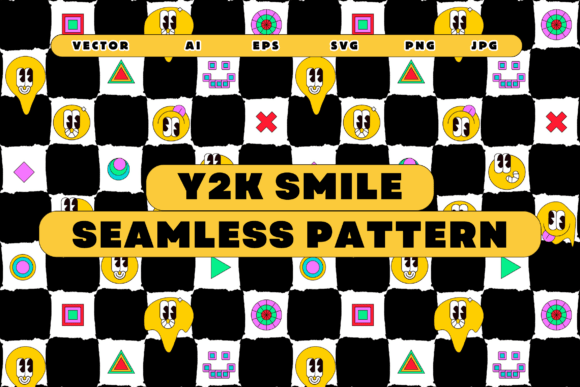
The Y2k Smiles Chessboard Pattern is a bold, playful design that captures the essence of retro aesthetics with a modern twist. Its black-and-white checkerboard background, paired with vibrant smiley faces and geometric shapes, creates a dynamic visual that’s both nostalgic and fresh. This seamless pattern is ideal for embroidery projects that aim to blend fun with functionality, making it a strong choice for custom apparel, home decor, and personalized gifts.
First Impressions: A Retro Vibe with Modern Appeal
As an embroidery designer, my first thought when seeing the Y2k Smiles Chessboard Pattern is that it has a clear personality. The design feels like it belongs in a world where 90s nostalgia meets contemporary creativity. The checkerboard layout is clean and structured, while the smiling faces and shapes add a sense of whimsy that can elevate even the simplest of projects. It’s not just a pattern—it’s a mood booster.
This design works best on items that can showcase its full scale, like tote bags, sweatshirts, or aprons. The boldness of the pattern ensures it doesn’t get lost in larger formats, and its simplicity makes it adaptable for different applications. Whether you’re creating a handmade product for your Etsy shop or a custom item for a client, this pattern has the potential to stand out without overwhelming the overall look.
Real-World Embroidery Use Cases
When I think about using the Y2k Smiles Chessboard Pattern in real embroidery projects, I imagine a custom tote bag for a local boutique or a baby onesie with a playful twist. The design’s size and detail level make it suitable for machine embroidery, but it also requires careful consideration of stitch density and stabilizer use to maintain clarity and prevent distortion.
For example, if I were to embroider this pattern onto a cotton tote bag, I’d start by testing it on scrap fabric to see how the colors and stitches interact. The black-and-white checkerboard might look great on a light-colored fabric, but I’d want to check how it appears on darker backgrounds as well. The vibrant smiley faces could be adjusted in color to match specific branding or customer preferences.
Where to Be Cautious
While the Y2k Smiles Chessboard Pattern is versatile, there are situations where it might not perform as well. On small hoop sizes, the design could become too crowded, making it difficult to achieve clean stitches. Similarly, on textured fabrics or thin materials, the pattern might not sit flat or could cause puckering.
Stretchy fabrics, such as those used in t-shirts or baby clothes, may require additional stabilizer to prevent the design from distorting during the embroidery process. For curved surfaces like caps or hoods, the pattern’s corners might need extra attention to ensure they don’t get distorted during stitching. If the design includes tiny lettering or intricate details, I’d recommend zooming in on the digital file to confirm that everything is legible and suitable for the intended project.
Impact on Visual Appeal and Customer Perception
The Y2k Smiles Chessboard Pattern has a strong visual presence that can enhance the appeal of any finished product. Its retro aesthetic makes it ideal for holiday gifts, personalized items, and boutique merchandise that targets a younger, trend-conscious audience. However, the success of the design depends largely on how well it’s executed in the final product.
If the embroidery is done poorly—whether due to incorrect stitch density, improper stabilizer use, or mismatched thread colors—the pattern could lose its charm. On the other hand, when done right, it adds a unique touch that can increase the perceived value of a handmade product or commercial item. Customers often respond positively to designs that feel intentional and visually engaging, which makes this pattern a good fit for craft businesses looking to stand out.
Practical Designer Notes
Before committing to a large-scale project, I always recommend testing the Y2k Smiles Chessboard Pattern on a sample piece of fabric. This helps identify any issues with stitch density, color contrast, or fabric compatibility. For instance, if the design is meant for a dark fabric, I’d want to ensure that the black-and-white elements still pop and aren’t washed out by the background.
Another key consideration is the use of proper stabilizer. Depending on the fabric type, a cutaway or tearaway stabilizer might be necessary to keep the design from puckering or shifting during the embroidery process. I’d also suggest reviewing the embroidery file to ensure that it’s optimized for the hoop size you’ll be using. If the design is too large for your machine, you may need to split it into sections or adjust the dimensions accordingly.
For commercial use, it’s important to verify the licensing terms of the Y2k Smiles Chessboard Pattern. Make sure you have the rights to sell finished products or distribute digital files, especially if you’re an Etsy seller or small shop owner. Also, consider how the design will look in printable mockups or digital product previews, as these can influence buyer decisions.
Final Thoughts: A Design That Speaks Volumes
The Y2k Smiles Chessboard Pattern is more than just a graphics asset—it’s a design that can bring energy and character to a wide range of embroidery projects. Whether you’re creating custom apparel, baby items, or holiday gifts, this pattern offers a fresh, retro-inspired option that can resonate with a variety of audiences.
As with any embroidery design, success comes down to execution. By paying attention to stitch density, stabilizer use, and fabric compatibility, you can ensure that the Y2k Smiles Chessboard Pattern looks its best in every project. For designers, crafters, and small business owners, this pattern is a valuable addition to your design assets, offering both style and practicality in equal measure.