Square Spatial Grids Review
As an embroidery designer and product reviewer, I often find myself evaluating designs that promise a unique aesthetic but may not deliver on practicality. Square Spatial Grids is one such design that caught my attention with its clean, modern look. Let’s dive into how it performs in real-world embroidery projects and what it means for your creative workflow.
The First Impression: A Bold, Minimalist Statement
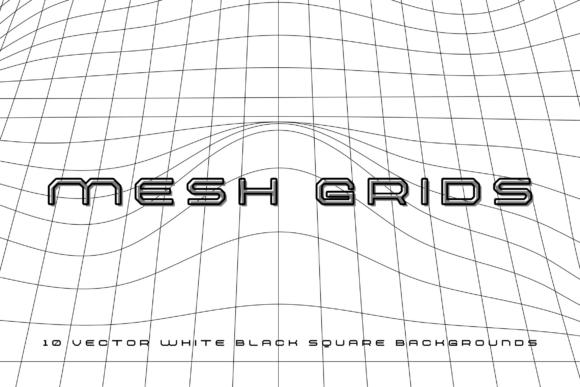
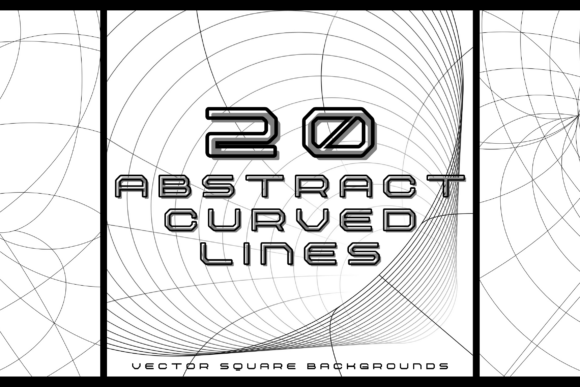
When I first opened the Square Spatial Grids file, I was struck by its simplicity. The design features a series of interconnected squares forming a grid-like pattern, all in black monochrome. It’s abstract yet structured, offering a futuristic feel without being overwhelming. The layout is balanced, with enough detail to stand out but not so much that it becomes busy or hard to read.
This kind of design naturally fits into custom apparel, especially for clients who want something modern and sleek. It’s ideal for sweatshirts, tote bags, or even baby onesies where a subtle yet stylish touch is needed. The black-and-white theme also makes it versatile for both dark and light fabric backgrounds, though I’ll get into that later.
Real-World Embroidery Use Cases
One of the first projects I thought of was a custom embroidered tote bag for a client who wanted something different from the usual floral or geometric patterns. Square Spatial Grids offered a fresh alternative that could be used as a background or as a focal point. The design’s outline nature made it easy to stitch without too much bulk, which is a big plus for items like tote bags that need to remain lightweight.
It also works well for embroidered patches, where the grid can add visual interest without overpowering the main design. I tested it on a small hoop and found that the lines were clear and consistent, making it suitable for smaller projects like caps or aprons. However, I noticed that the finer details might get lost if the hoop size is too small, so I recommend using a larger hoop when possible.
Where to Be Careful: Fabric and Design Limitations
While Square Spatial Grids is visually appealing, there are some situations where it might not perform as well. For example, on textured fabrics or thin materials, the design could become less defined. If you’re working with stretchy or dark fabrics, the contrast between the black outlines and the background might not be as strong, which could affect the final look.
Additionally, this design isn’t ideal for areas with curved surfaces, like caps or hats, where the grid might not align properly. Tiny lettering or intricate corners could also be problematic, as the design’s structure may not accommodate those elements well. If you're planning to use it as a decorative accent, make sure to test it on the actual fabric you'll be using.
Impact on Visual Appeal and Customer Perception
When it comes to visual appeal, Square Spatial Grids adds a level of sophistication that can elevate any handmade product. It’s perfect for boutique brands looking to create a cohesive look across their merchandise. The minimalistic style also helps in building brand consistency, especially for businesses that focus on modern aesthetics.
From a customer perspective, this design feels professional and well-thought-out. It’s a great choice for personalized gifts or holiday items, as it offers a unique twist that stands out from generic patterns. However, it’s important to consider how the design will look after stitching. If the stitch density is too high, it could cause the fabric to pucker or the design to lose its clarity.
Practical Designer Notes: What You Need to Know
Before jumping into a project with Square Spatial Grids, here are a few key considerations:
- Test on scrap fabric first to see how the design looks and stitches.
- Check thread color contrast against the fabric to ensure visibility.
- Review stitch density to avoid over-stitching or distortion.
- Confirm hoop size to ensure the entire design fits comfortably.
- Inspect small details to make sure they translate well to the finished product.
- Test in black and white mockups to see how it looks on different backgrounds.
- Use proper stabilizer for delicate or stretchy fabrics.
Also, make sure to check the licensing terms before selling any finished products or digital files. While the design itself is clean and versatile, the rights to use it commercially can vary depending on the source.
Final Thoughts: A Versatile Design for the Right Projects
Square Spatial Grids is a solid choice for designers and crafters looking to add a modern, minimalist touch to their work. It’s especially useful for custom apparel, embroidered patches, and small shop merchandise where a clean, abstract design can make a big impact.
However, it’s not a one-size-fits-all solution. Its effectiveness depends on the fabric, hoop size, and intended use. With careful testing and consideration, Square Spatial Grids can be a valuable addition to your embroidery project library, helping you create unique, professional-looking pieces that resonate with your audience.