Square Mesh Grids Review
First Impressions of Square Mesh Grids
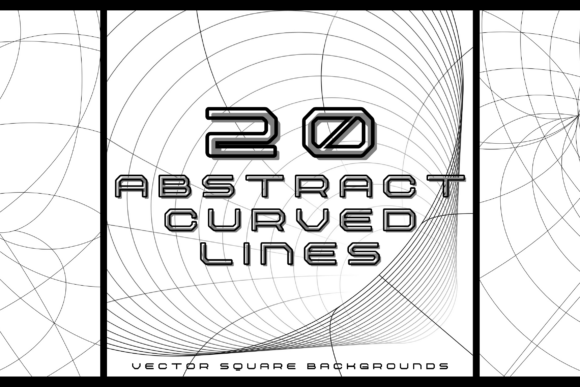
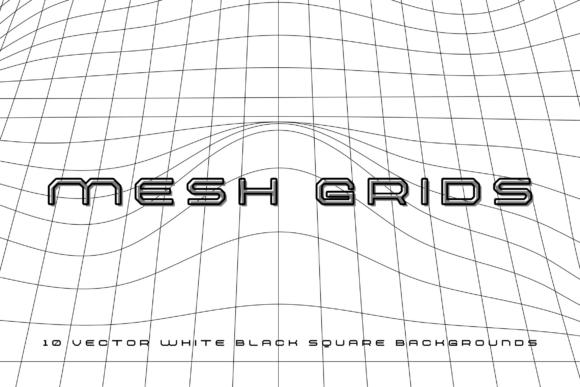
When I first opened the Square Mesh Grids design set, I was struck by the clean, modern aesthetic. The black and white vector illustrations create a striking contrast that feels both professional and artistic. These backgrounds are not just decorative—they have a strong geometric personality that can elevate any embroidery project.
The layout is precise, with each design offering a unique variation of mesh patterns. Some are more open, while others are denser, allowing for flexibility in how they’re used. The detail level is high enough to be visually interesting but not so intricate that it becomes overwhelming.
These designs seem to belong naturally in projects that require a contemporary, structured look. They work well as background elements, especially when paired with other embroidery details or text.
Real-World Embroidery Applications
As an embroidery designer, I often think about how a design will translate onto fabric. Square Mesh Grids has a lot of potential for custom apparel, like sweatshirts and t-shirts. The clean lines make it easy to stitch without getting lost in too much complexity.
For tote bags, the design adds a subtle yet stylish touch. It’s perfect for small businesses looking to create a consistent brand image. I can see these grids being used on aprons, pillow covers, and even kitchen towels for a modern, minimalist look.
In baby items, the simplicity of Square Mesh Grids makes it a safe choice. It doesn’t overwhelm the senses, which is important for nursery decor. The design could also work well as an embroidered patch or applique, adding a refined touch to clothing or accessories.
On caps and hats, the grid pattern holds up well, especially if the hoop size is appropriate. The design doesn’t require too many stitches, making it ideal for quick production runs.
Where to Use with Caution
While Square Mesh Grids is versatile, there are some situations where it might not perform as well. Small hoop sizes can be a challenge, as the design may not fit comfortably. If you're working on a tight space, you might need to adjust the design or choose a simpler version.
Textured fabrics can also affect the outcome. If the fabric is too rough, the stitching might not show up as clearly. Thin or stretchy materials may require extra stabilizer to prevent puckering or distortion.
On dark fabrics, the black and white contrast may not be as effective. Consider using a lighter thread color or adjusting the design for better visibility. Similarly, curved surfaces like caps can be tricky, as the grid may not align perfectly with the shape.
Detailed corners and tiny lettering can be problematic. If the design includes fine details, they may not stitch out cleanly. It’s best to test the design on scrap fabric before committing to a final product.
Impact on Visual Appeal and Customer Perception
Square Mesh Grids adds a sense of sophistication to any finished product. It enhances visual appeal without being distracting. For handmade products, this design can help build customer trust by showing attention to detail and professionalism.
When used in personalized gifts or custom apparel, the design contributes to a polished look that customers appreciate. It can increase the perceived value of a product, making it more attractive for resale or gift-giving.
For Etsy sellers and small shop owners, the design offers a reliable option for creating consistent branding. It works well in printable mockups and digital product previews, helping to showcase the design effectively to potential buyers.
Practical Designer Notes
Before using Square Mesh Grids in a real project, I always recommend testing the design on scrap fabric. This helps identify any issues with stitch density or thread color contrast. You don’t want to discover problems after you’ve already started a batch of orders.
Check the hoop size required for the design. If it’s too large, you may need to split the design into sections or use a different approach. Confirming the stitch density is also key—too dense, and the fabric might pucker; too light, and the design might not hold up.
Inspect small details carefully. Even the most elegant design can fall flat if the corners or edges aren’t stitched properly. Test the design in black and white mockups to see how it looks on different backgrounds.
Compare how it appears on light and dark fabrics. The contrast can change dramatically depending on the base color. Using the right stabilizer is crucial, especially on delicate or stretchy materials.
Make sure the design works for both personal and commercial projects. Check the licensing terms before selling finished items or digital products. Always confirm that the design meets your specific needs before incorporating it into your workflow.
Conclusion: Square Mesh Grids in Action
Imagine you’re preparing a custom embroidered tote bag for a client. You want something that stands out but isn’t too busy. Square Mesh Grids fits the bill perfectly. It adds a modern edge without overpowering the design. The client loves the clean, structured look, and it complements the other elements of the bag beautifully.
This design is a solid choice for embroidery projects that require a balance between style and practicality. Whether you're an Etsy seller, a craft business owner, or a hobbyist, Square Mesh Grids offers a reliable and versatile option for your creative toolkit.