Summer VECTOR: Minimalist Tropical Line Art for Real Embroidery
First Impressions: Clean, Calm, and Confidently Summer
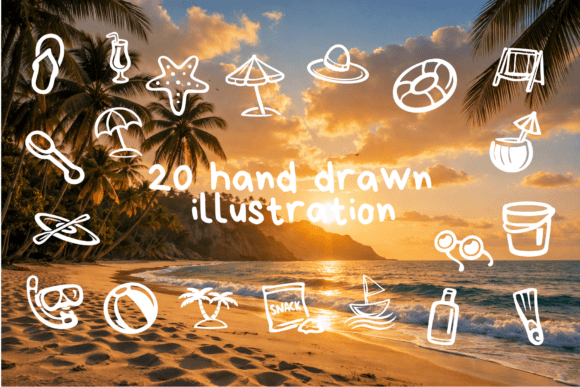
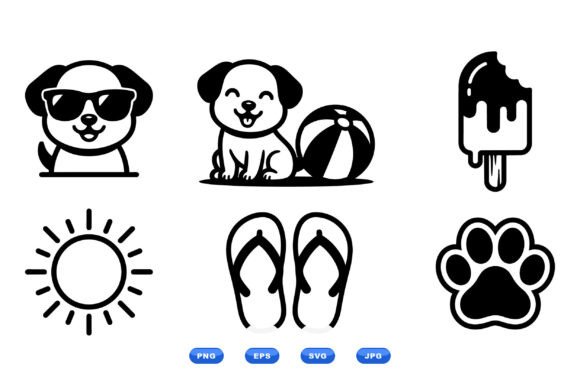
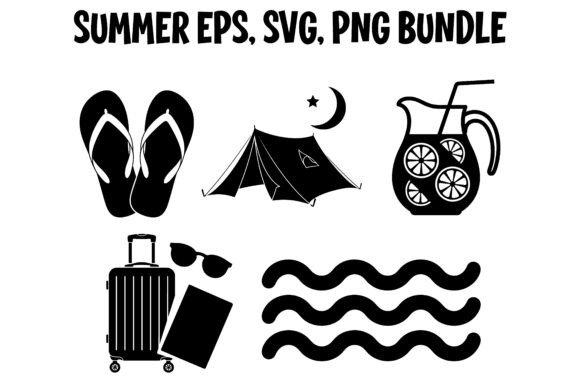
When I opened Summer VECTOR, I didn’t see “tropical overload.” No frantic palm fronds or cluttered flamingos. Instead, I got clean line art—think single-weight strokes outlining a sun, a pineapple, a wave, a lemon slice—and solid black silhouettes of larger elements like a hibiscus or a retro sunglasses shape. It’s minimalist, yes—but not sterile. There’s warmth in the curves, rhythm in the spacing, and intention in every contour. As an embroidery designer who’s stitched hundreds of seasonal collections, I immediately pictured this on a natural linen tote bag for a boutique launch: understated enough for a yoga studio owner, fresh enough for a beachside café, and versatile enough to scale across baby onesies, tea towels, and sweatshirt chest logos.
Where Summer VECTOR Shines in Real Embroidery Projects
This set feels built for clarity—not complexity. That makes it ideal for custom apparel where legibility matters: a small chest logo on a lightweight cotton sweatshirt, a subtle left-chest motif on a baby bodysuit, or a centered design on a kitchen towel that won’t compete with food stains. I recently mocked up Summer VECTOR as a single-line sun on a navy apron—it read instantly at 3 inches wide, even from across a farmers’ market stall. For embroidered patches, the solid black silhouettes hold their shape beautifully in satin stitch, while the line art translates cleanly into running stitch outlines—no jagged edges, no lost detail.
Etsy sellers and craft fair vendors will appreciate how well these elements work in printable mockups. Because they’re vector-based, scaling is flawless: shrink a pineapple to 1.5 inches for a cap brim or expand a wave motif to span a pillow cover edge without pixelation. And unlike dense fill-heavy designs, Summer VECTOR avoids heavy stitch density—meaning less thread breakage, faster run times, and gentler wear on delicate fabrics like rayon blends or lightweight knits.
Where to Pause—and Test First
Don’t assume all motifs behave the same. The line art pieces—especially thin, looping elements like the lemon slice or curved wave—are elegant on screen but demand attention in stitching. On stretchy fabric (think ribbed t-shirt knits), those fine lines can blur or pucker without proper cutaway stabilizer. And on dark fabric, a single-layer black silhouette may lack contrast unless you use bright white or metallic thread—so always test thread colors before committing to a full batch.
I also recommend checking each motif against your smallest hoop size. Some of the more compact line drawings sit comfortably in a 4” x 4” hoop, but if you’re planning cap embroidery, confirm whether the cleanest versions (like the sun or sunglasses) fit within standard front-panel dimensions *without* compromising stroke weight. Tiny corners—say, the tip of a leaf or the curve of a lemon wedge—can vanish under dense fill or shift on textured surfaces like terry cloth or bouclé. If you’re using Summer VECTOR for baby embroidery or holiday embroidery (think citrus-themed Christmas stockings), keep stitch count light and avoid over-layering.
Design Assets That Support Your Brand—Not Distract From It
What sets Summer VECTOR apart isn’t just aesthetics—it’s intentionality. As a designer reviewing Illustrations for commercial use, I look for assets that reinforce trust. These motifs feel cohesive, not random. They don’t scream “clip art.” That matters when you’re building a handmade product line: customers notice when a design looks considered, not copied. A customer buying a personalized gift—a monogrammed linen pillow with a single hibiscus from Summer VECTOR—isn’t just buying decor. They’re buying calm, summer ease, and quiet confidence. That emotional resonance lifts perceived value, supports premium pricing, and strengthens repeat engagement.
For small shop products or craft business branding, this set plays well with neutral palettes and organic materials. It doesn’t compete with hand-dyed fabric or artisan ceramics—it complements them. And because it’s rooted in line art and silhouette, it adapts seamlessly to both digital previews and physical stitching—making your digital embroidery file listings on Etsy or Creative Market feel consistent, professional, and trustworthy.
Practical Designer Notes Before You Stitch
- Always test on scrap fabric first—especially with textured or dark substrates. See how the line weight holds up and whether stabilizer choice affects clarity.
- Review stitch density manually if converting from vector to embroidery file. Avoid auto-digitizing fine line art without adjusting underlay or pull compensation.
- Confirm hoop size compatibility for your most common projects—caps, baby onesies, and petite tote bags often have tight real estate.
- Inspect small details at actual stitch-out size. What reads as crisp at 200% zoom may disappear at 1:1 scale.
- Test black-and-white mockups to assess contrast and balance—this reveals how the design will land on varied backgrounds.
- Use appropriate stabilizer: cutaway for knits, tear-away for stable wovens, and fusible + tear-away for lightweight linens.
- Verify licensing terms before selling finished items or bundling Summer VECTOR into a digital embroidery file pack. This is a Graphics set intended for real-world use—not just web display.
Final Thought: Less Is Legible, Less Is Lasting
Summer VECTOR doesn’t try to be everything. It’s not a jungle scene. It’s not a festival poster. It’s a curated set of summer essentials—designed to breathe, to simplify, and to translate cleanly from screen to stitch. Whether you’re embroidering a personalized gift for a friend’s baby shower or launching a capsule collection of custom apparel for your small shop, this set gives you room to focus on craftsmanship—not fighting the design. In an era where handmade presentation means everything, Summer VECTOR earns its place not by shouting, but by standing still—and saying exactly what it means to say.